Ready to get started?
Dry Rot
Dry Rot Repair in Albany, Oregon
Oregon rain finds every gap. We trace where the water got in, cut the rot out to solid wood, and rebuild the wall, deck or trim so it sheds water.
Request a QuoteRated 5.0 across 6 Google and 2 Facebook reviews.
Why It Happens
Why is there so much dry rot in the Willamette Valley?
It rains here for months, and water finds the smallest gap there is. A window head with no flashing, a siding joint where the caulk has let go, a deck ledger bolted straight to the wall: that is all it takes. Once the wood stays wet, it starts to rot, and the paint over it can look fine after the wood has gone soft.
That is why the rot is always bigger than the soft spot you can see. By the time a board feels spongy, the damage has usually run behind it into the sheathing, the framing and the trim beside it.
It is also why patching over rot does not work. Fill it and paint over it, and the water that caused it is still getting in. You end up paying to do the same repair twice. We cut out what is wet and fix what let the water in, so the repair is done once, across Albany, Salem, Lebanon and the mid valley.
Where It Starts
Where Oregon rain gets into a building
Rot rarely starts in the middle of a board. It starts where two pieces meet and water can sit. These are the five places we look first.
Deck ledgers and posts
The ledger meets the house and the posts meet the ground, and water sits at both.
Window and door trim
The joints at the sill and the head hold water, and the soft spot shows up last.
Siding joints and bottom courses
Splash from the ground and open butt joints let water in behind the siding.
Roof edges and fascia
A fascia board that stays damp rots from the back, where you cannot see it.
Anywhere caulk has let go
A cracked or pulled back bead is an open door, and it is easy to miss from the ground.
The only way to know how far it has gone is to open it up.
From the outside, a soft spot is only the part you can reach. We take the siding or trim off, follow the wet wood until it stops, and show you what we find.
How The Repair Goes
Four steps from wet wood to a sealed wall
-
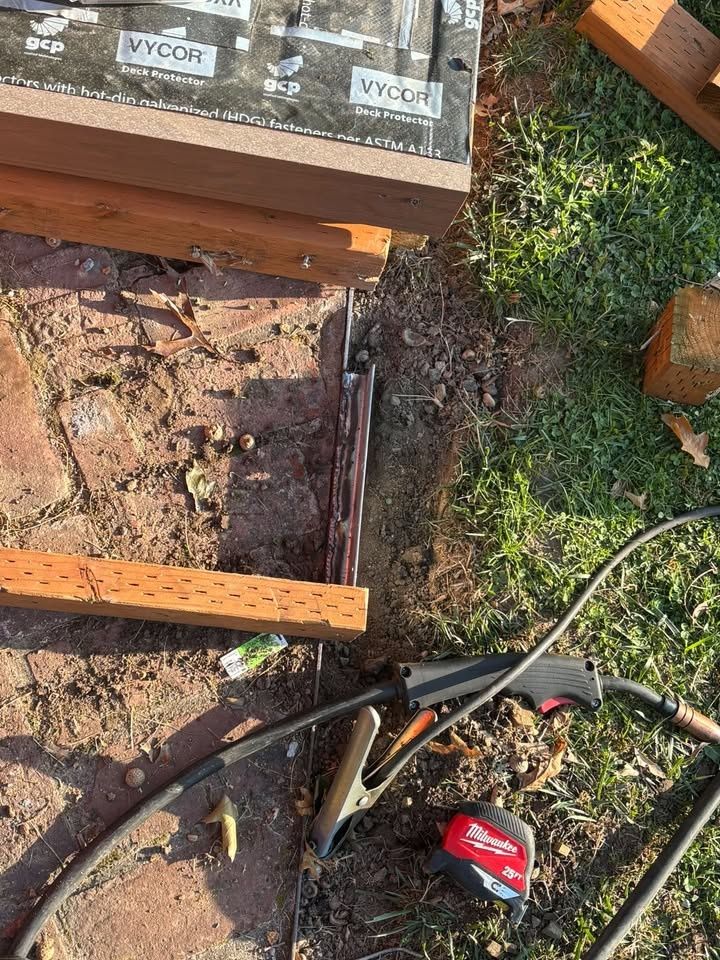
Find the source
Rot is the result. Water is the cause. Before any wood comes out, we trace where it got in: a window with no flashing, an open siding joint, a deck ledger, or a gutter that empties onto the corner.
Where the water gets in
Step 1: tracing the water -
Open up what is wet
We take the siding or trim off over the soft spot and keep going until we find where the wet stops. The damage is nearly always wider than the stain, and we show you what we find as we go.
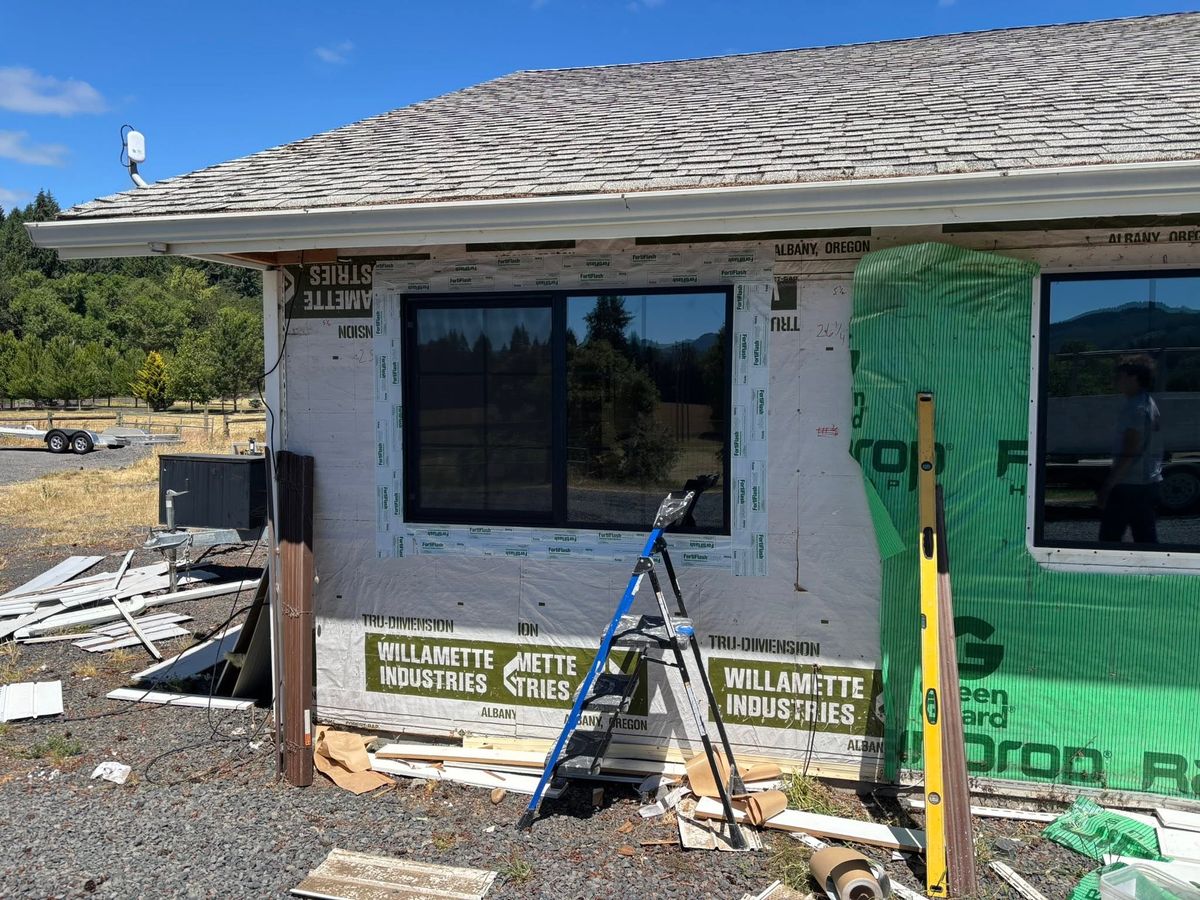
Step 2: siding off, down to the sheathing and the window flashing -
Cut back to sound material
Everything soft comes out. We cut back to wood that is dry and solid, and we do not leave rotted fibers under new material, because that is where the next failure starts.
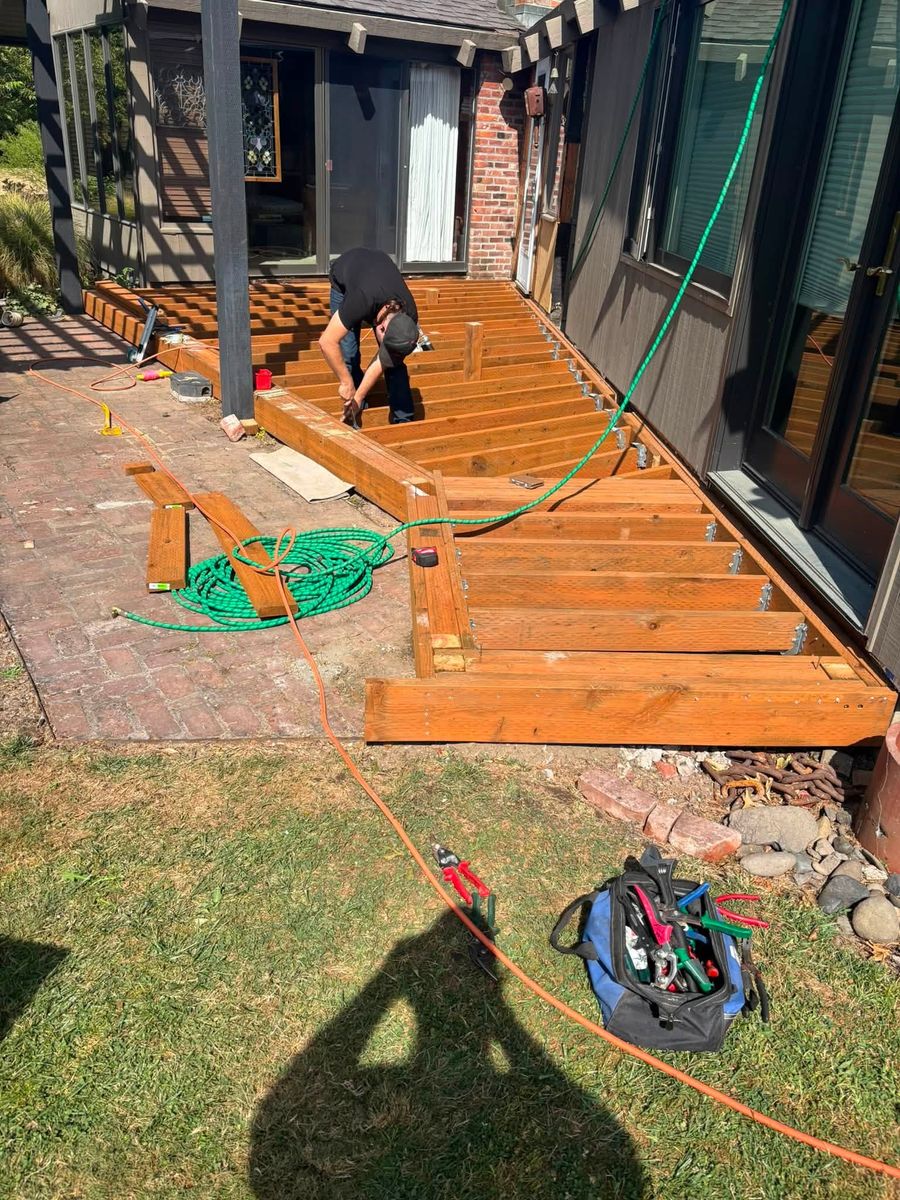
Step 3: sound lumber set in, new joists and metal hangers -
Rebuild and seal
New framing and trim go in. The flashing goes on in the right order, so water runs off the wall and not behind it. Then the siding, caulk and paint close it up.
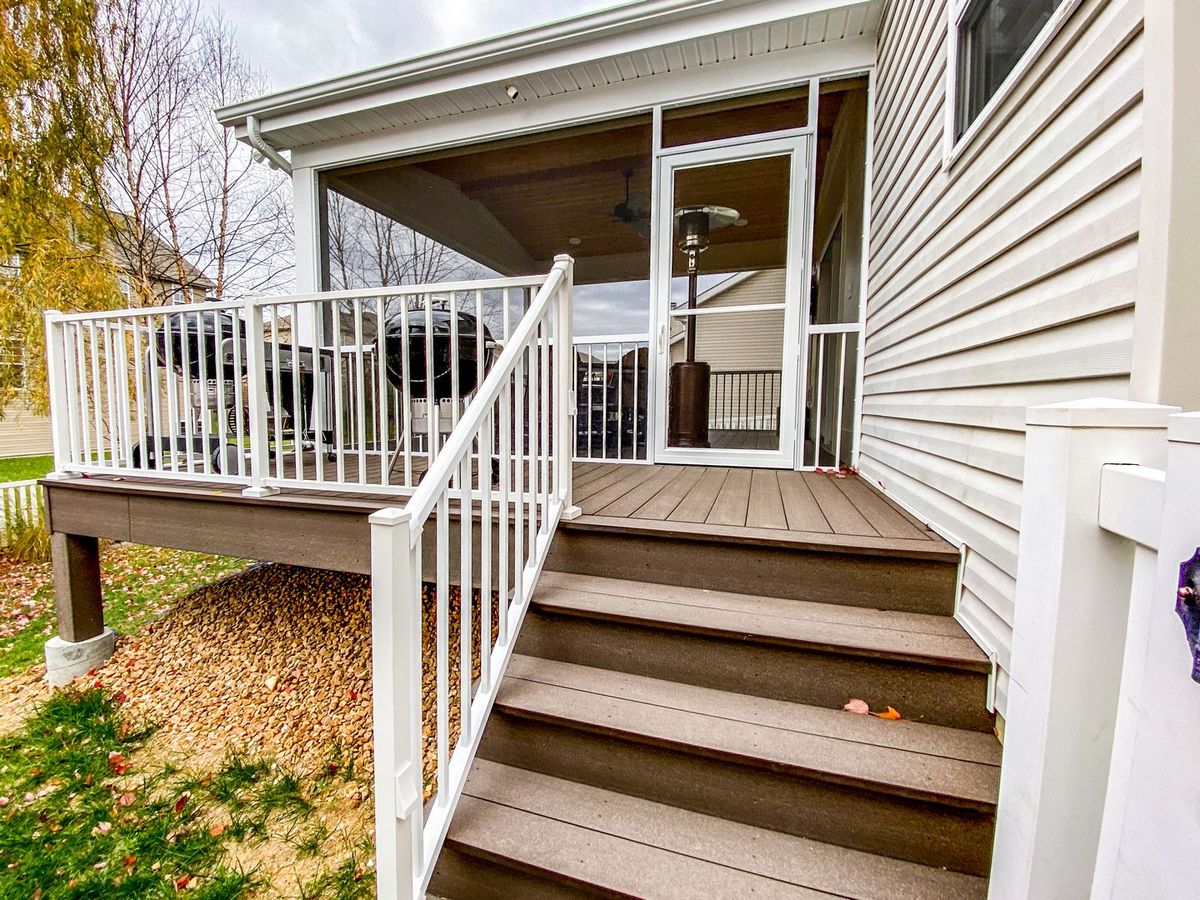
Step 4: rebuilt and finished, deck, rails and steps
The Same Crew
Then it gets rebuilt properly
A rot repair that stops at a bare patch leaves the job half done. Here the same crew does the framing, the siding and the finish, so the repair does not end where the soft wood did. The frame behind the wall gets rebuilt, the siding goes back the right way, and the trim, caulk and paint close it up.
One crew also means no hand-off between trades and no question about who was supposed to seal the joint.
“Coty with start2finish did the siding on my house. He is a great worker … he won’t cut corners. He is very proud of his work and it shows.”
Jordan Friday, Google review, October 2026
Framing
When rot has reached the studs, plates or joists, the frame is rebuilt square and solid.
See framingDecks and siding
Ledgers and posts rebuilt, new decks built, and siding put back with the flashing behind it.
See decks and sidingDrywall repair
When water has come inside, the drywall is patched and finished, ready for paint.
See drywall repairQuestions
Dry rot repair questions, answered plainly
How do I know if I have dry rot?
Press a screwdriver into the wood. If it sinks in or the wood crumbles, it has rot. Peeling paint, trim that has gone soft at the corners, swollen siding and a musty smell near a window or deck are the other signs. If you see any of them on a house in Albany or the mid valley, have the dry rot looked at before it spreads.
Does dry rot spread?
Yes. Rot keeps spreading as long as the wood stays wet, moving from a wet board into the wood touching it. A small soft spot beside a window in Albany can become a wall repair if the water keeps getting in. Fixing what lets the water in is what stops it, and cutting out the wet wood deals with the damage already there.
How is a dry rot repair priced?
It depends on how far the rot has gone, how much has to come out, what has to be rebuilt afterward (trim, siding, framing or a deck ledger) and how hard it is to reach. The real size often shows only once the wet wood is opened up, so Coty looks at the damage first and explains what he finds. Request a quote for dry rot repair in Albany, Salem or the valley.
Do you find the cause before you repair the rot?
Yes, always. Dry rot repair in Albany only holds if the water stops, so we trace where it got in first: failed flashing, an open siding joint, a deck ledger, a gutter or a gap in the caulk. We fix that along with the wood, so the new material does not end up rotting for the same reason.
Which towns do you cover for dry rot repair?
Start2Finish is based in Albany and works across the mid valley, including Salem, Lebanon, Keizer and Dallas. If your town is not on that list, say where you are in the quote request and we will tell you whether we can get there. Dry rot repair starts with someone looking at the damage in person.
Next Step
Soft wood, peeling trim, a stain that keeps coming back?
Tell us what you are seeing and where. Coty will look at the damage, explain what is behind it and what the repair involves.